On July 3, 2026, the Italian Ministry of Health sent the Regions and professional bodies a memo on the fentanyl emergency.
It states that Section A narcotic medications must be kept “in a cabinet locked with a key, separate from other substances.” Section A is the part of the medications table in Italy’s narcotics law that includes, among others, opioid painkillers such as morphine and fentanyl. The quantity in stock must match the quantity written in the stock register. And “it would be advisable for the single person responsible for stock control and storage to be the same person who holds the keys”.
So in the memo, the key does two jobs: it keeps the cabinet locked, and it shows who is responsible for what’s inside. The second job works as long as one person holds the key. But on a ward that runs several shifts, the key can change hands. When the stock doesn’t match the register, the register shows what is missing. Only a lock that records each opening can show who opened the drawer, and at what time.
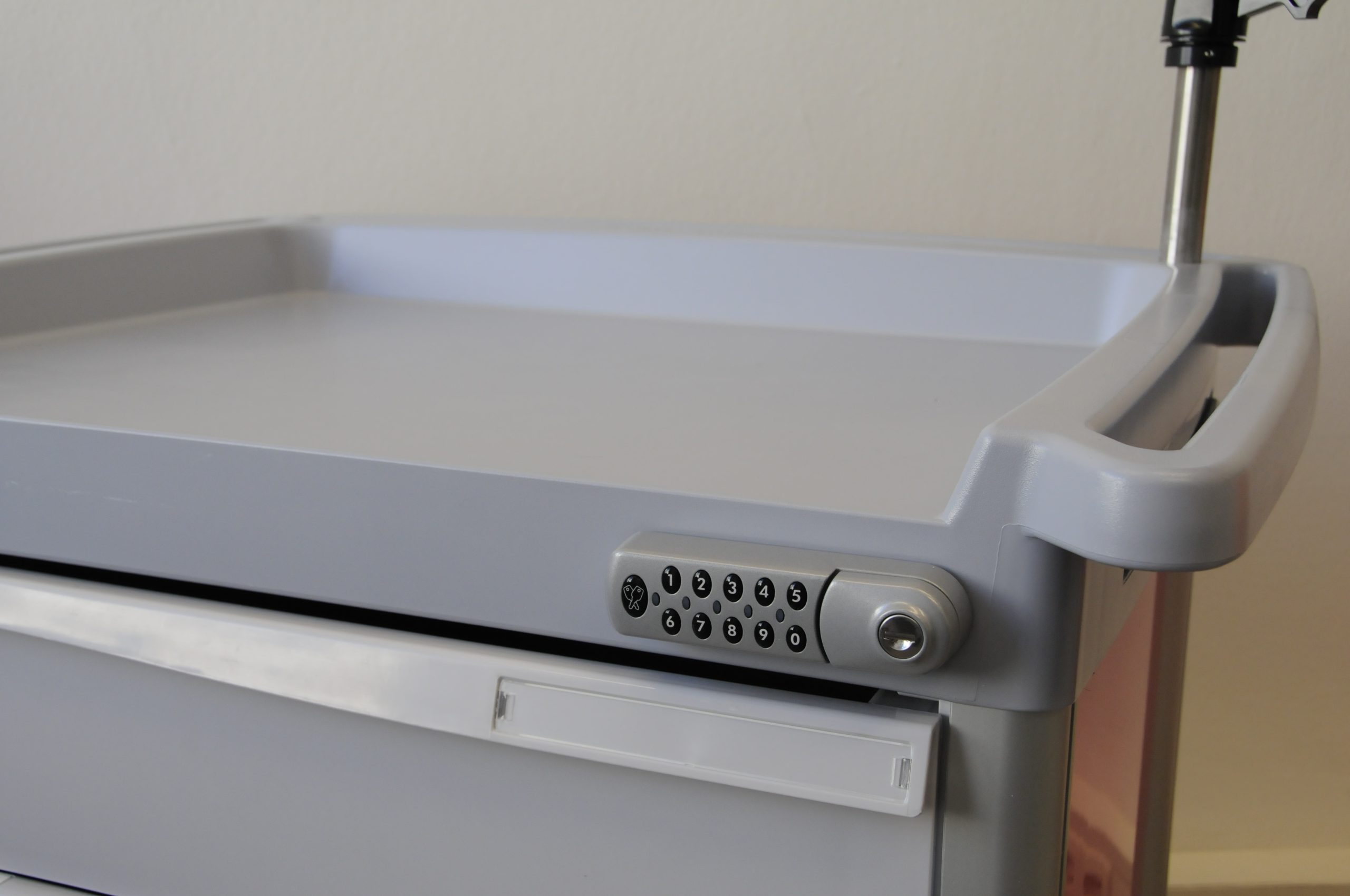
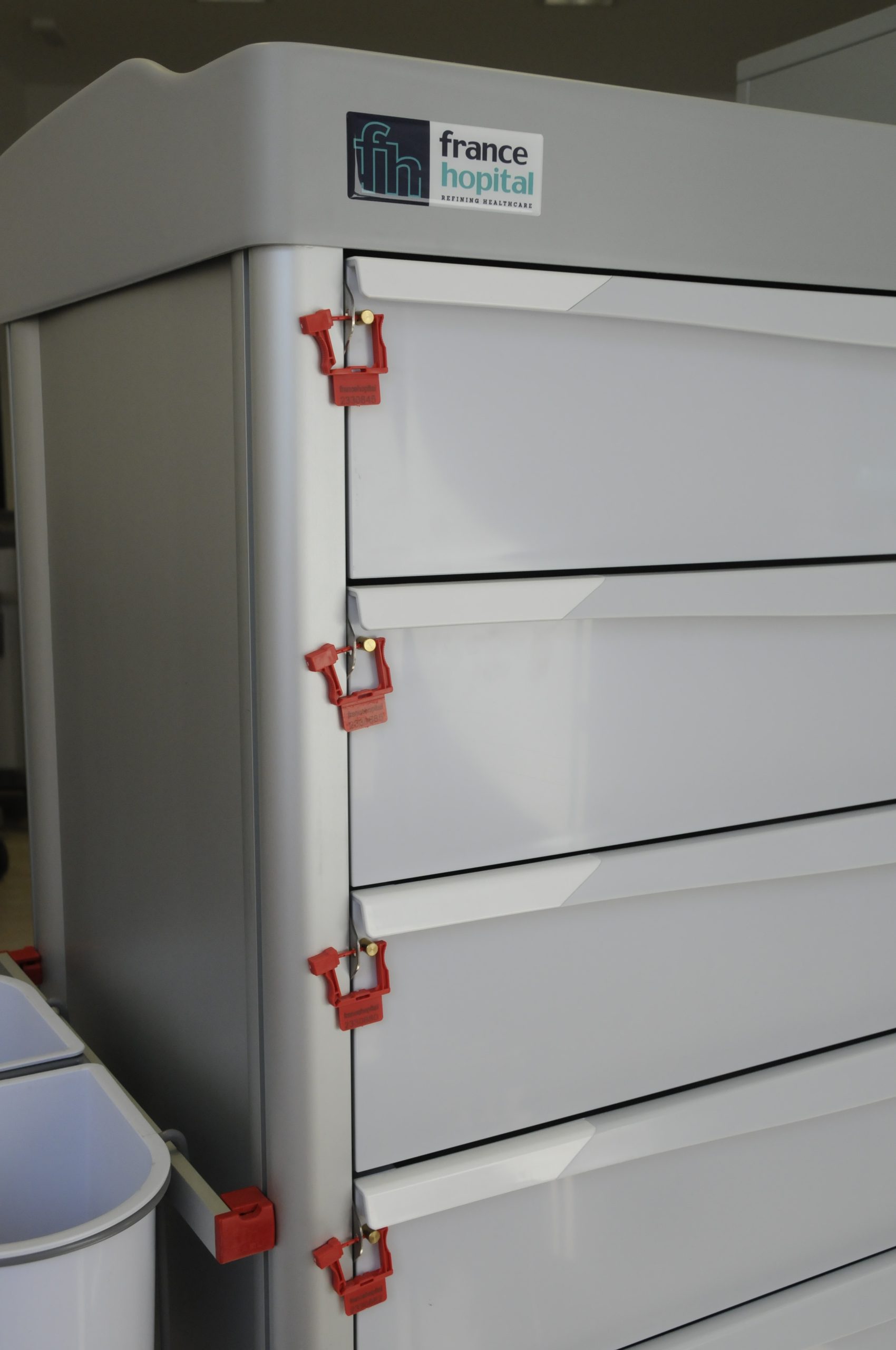
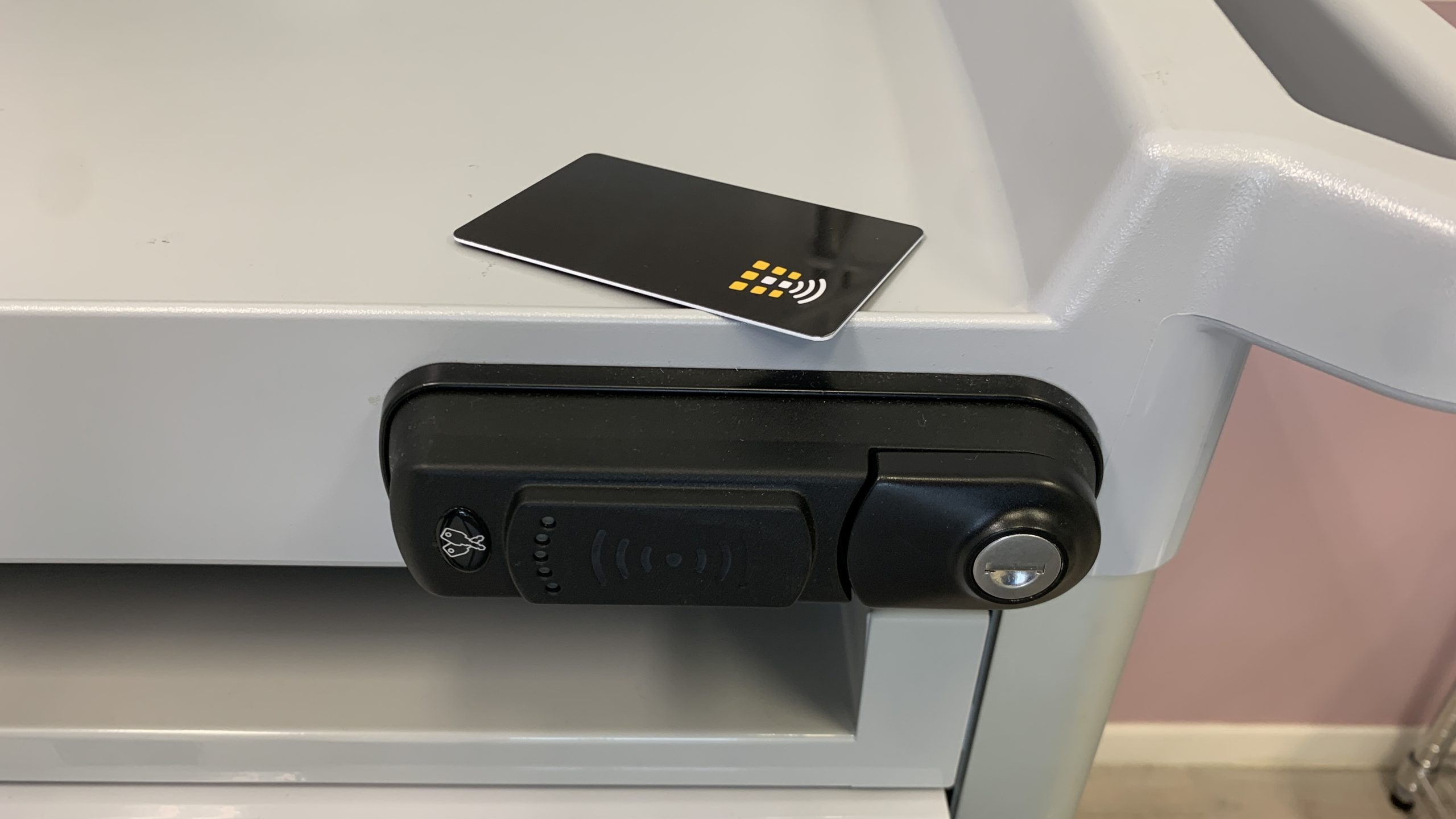
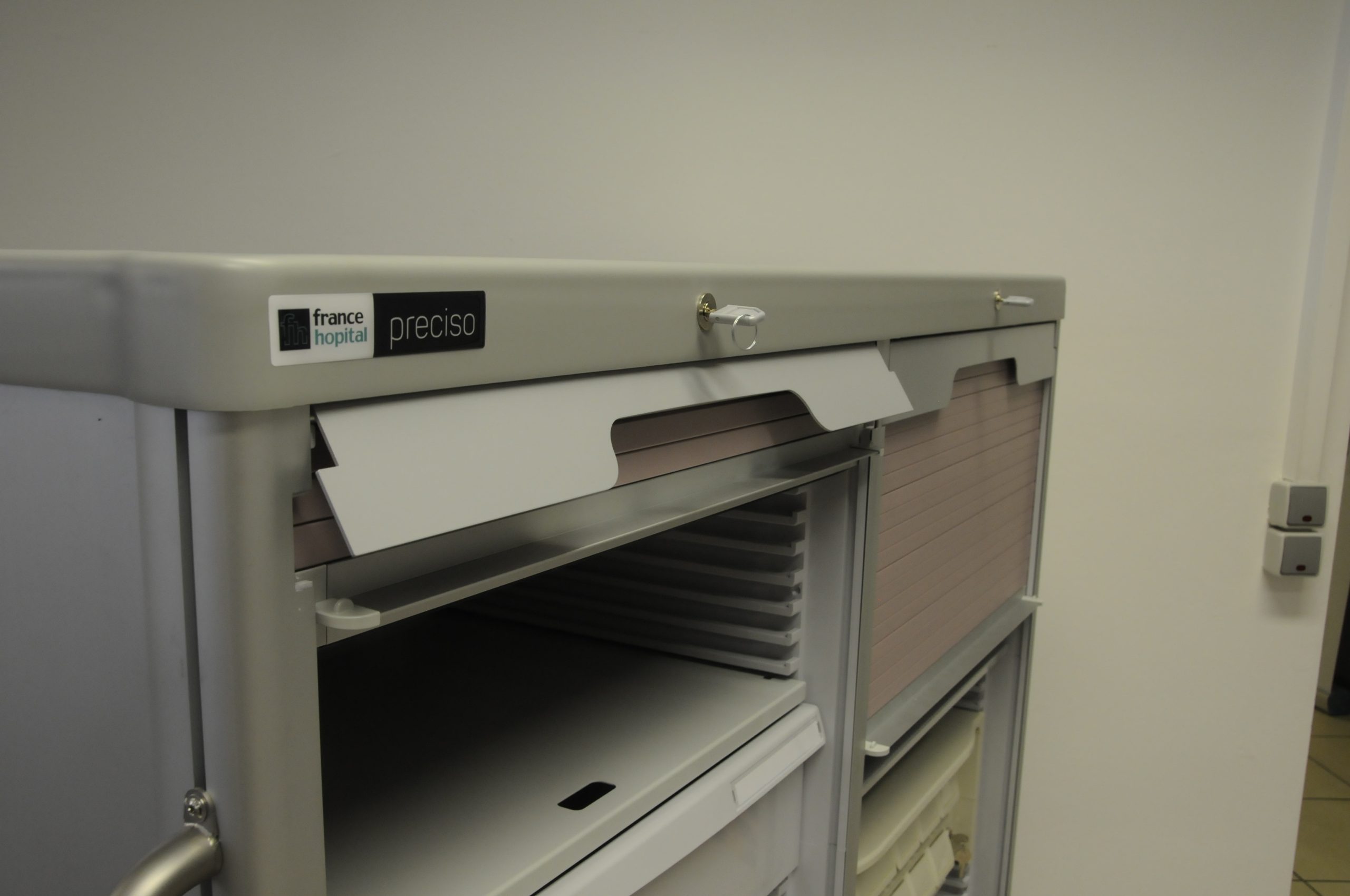
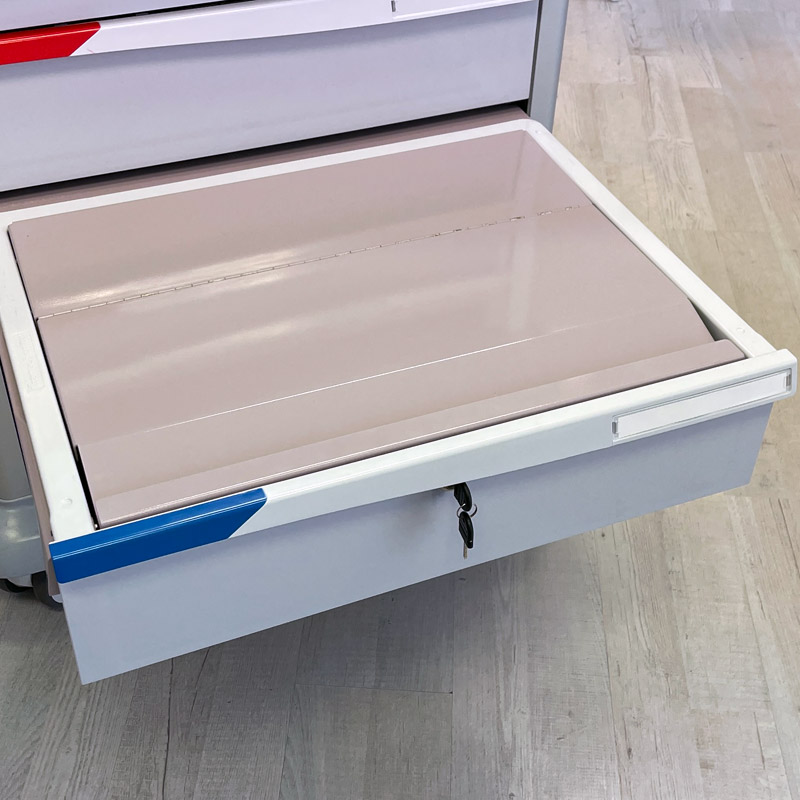
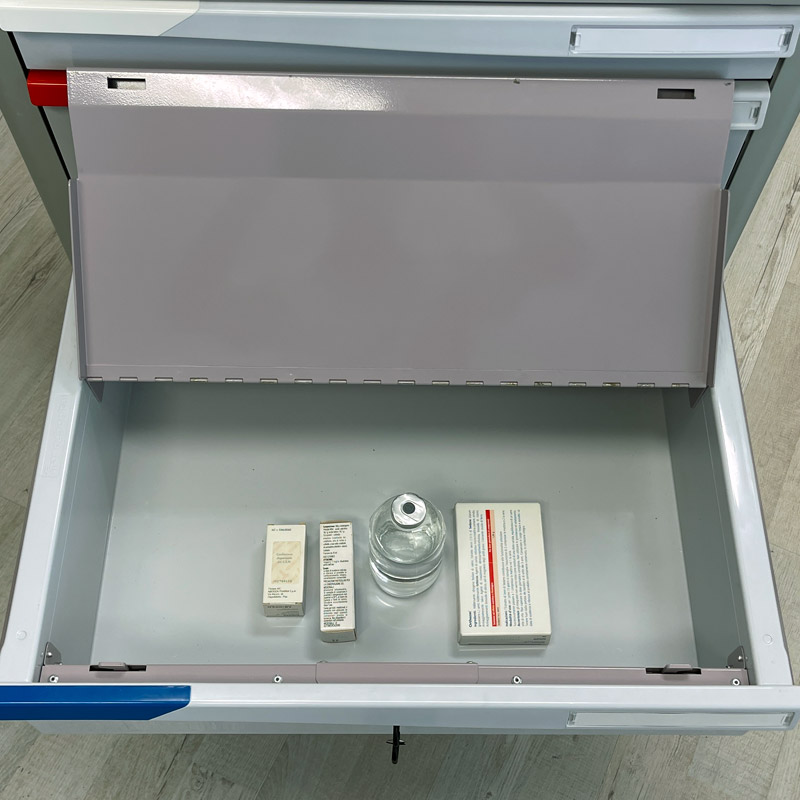
The medication cart takes medications from the ward cabinet to the patient’s bedside, and the same question applies to it.
This article covers the four levels of control a closure can provide, what the rules require in Italy, France, and the United States, and the questions to ask before writing a tender.