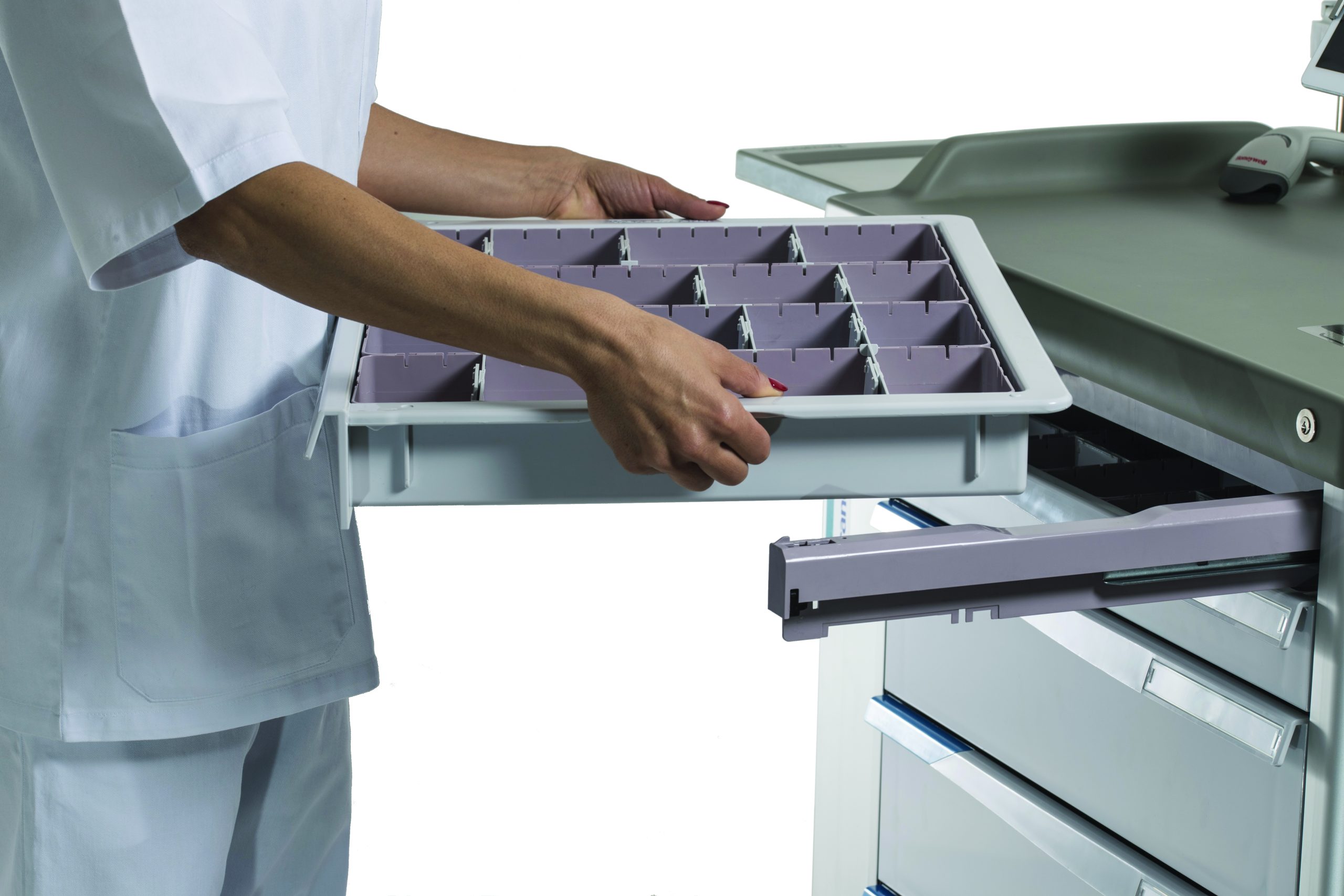
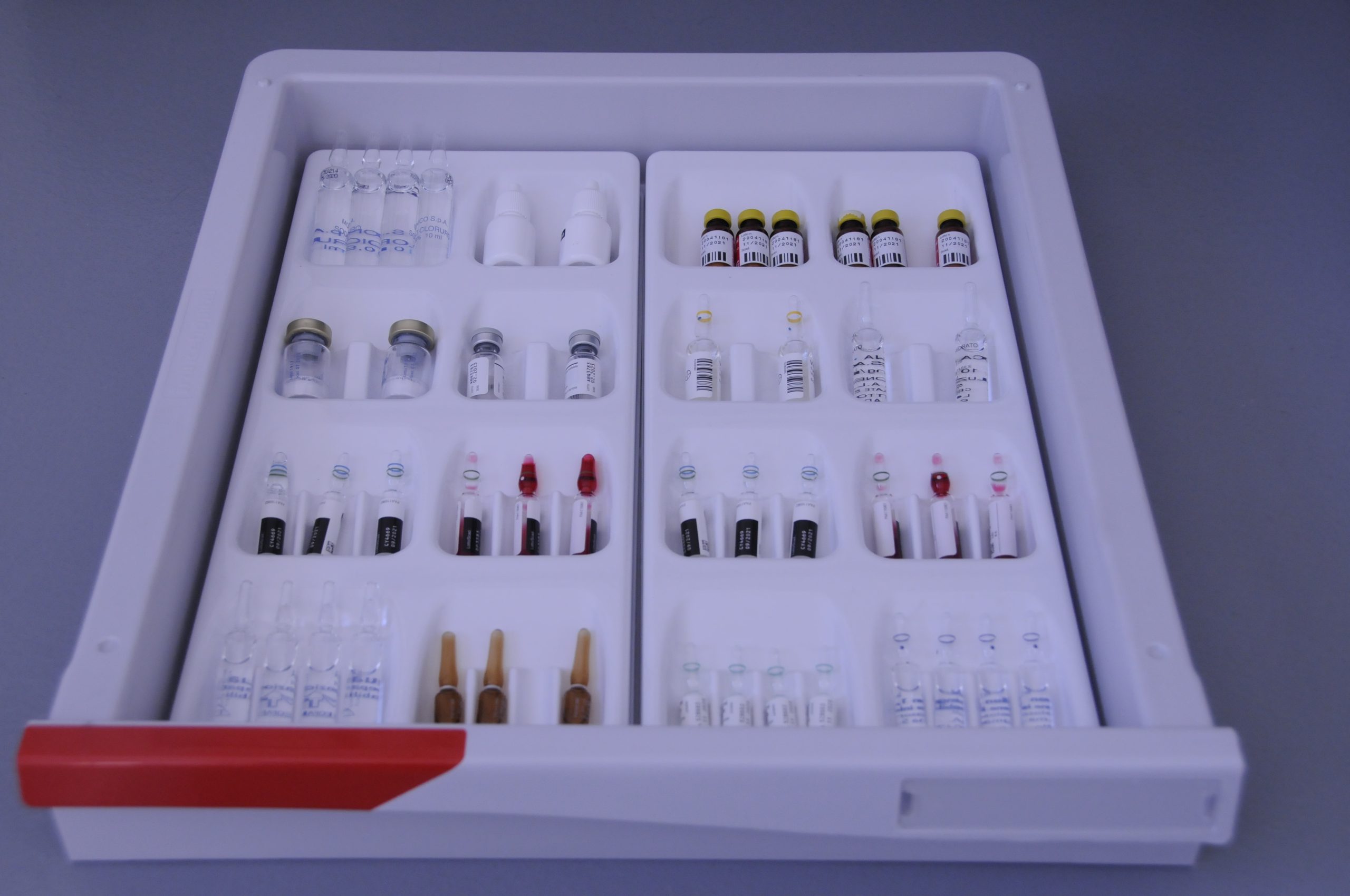
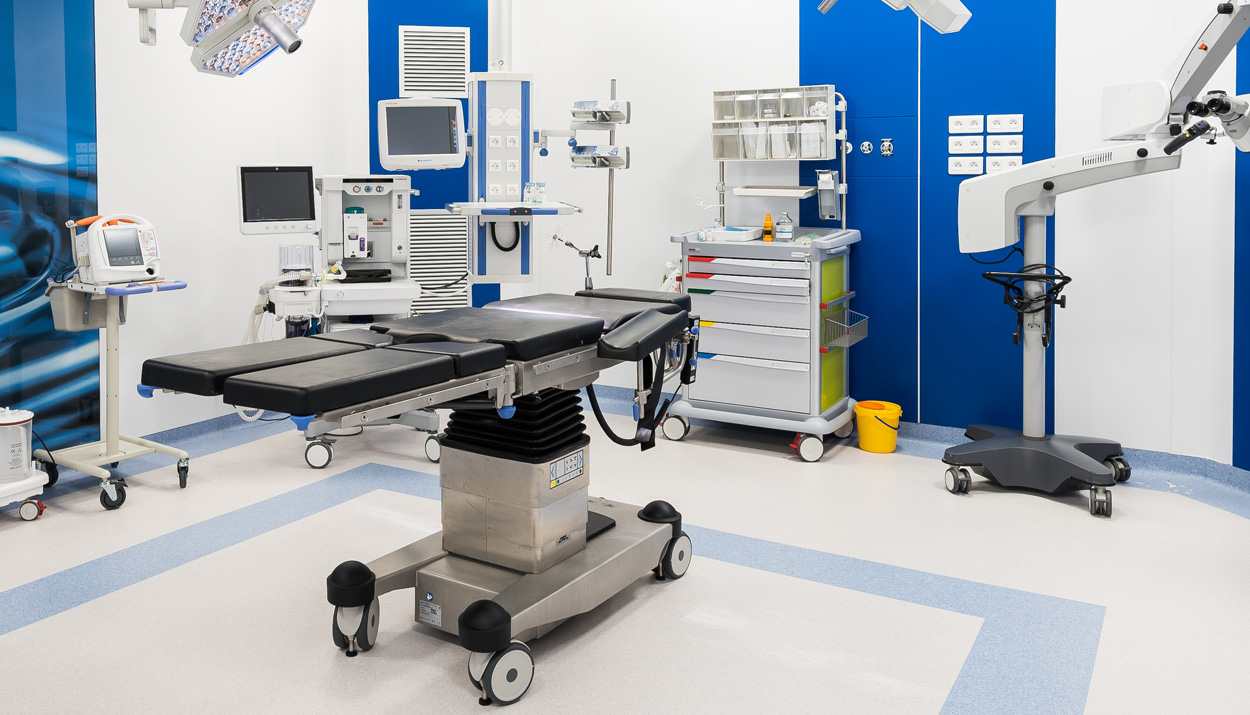
The second requirement is about similar medications. In Italy, the main reference is SIAARTI, the Italian Society of Anesthesia, Analgesia, Resuscitation and Intensive Care. In April 2024, together with SIFO, the society of hospital pharmacists, it updated its good practice document on medication safety in the operating room. Among the most common medication errors, it lists “wrong placement of different medications in the same drawer” (our translation). It estimates that LASA medications, meaning those with similar names or packages (look-alike, sound-alike), are involved in up to 25% of medication errors. And it asks staff to prevent these errors starting with how medications are stored, in the pharmacy as well as in the operating room.
The third requirement is the label. The same document calls for labels with the color code of the ISO 26825:2020 standard, which sets the color, size, and wording of labels put on syringes in anesthesia. According to the document, the color code helps staff recognize the right medication and notice an error sooner.
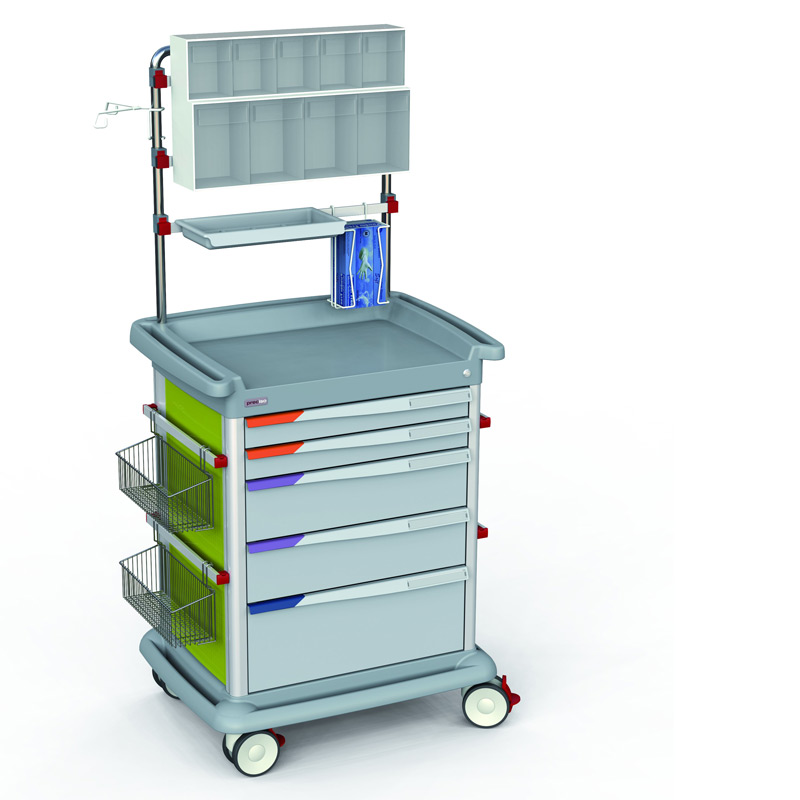
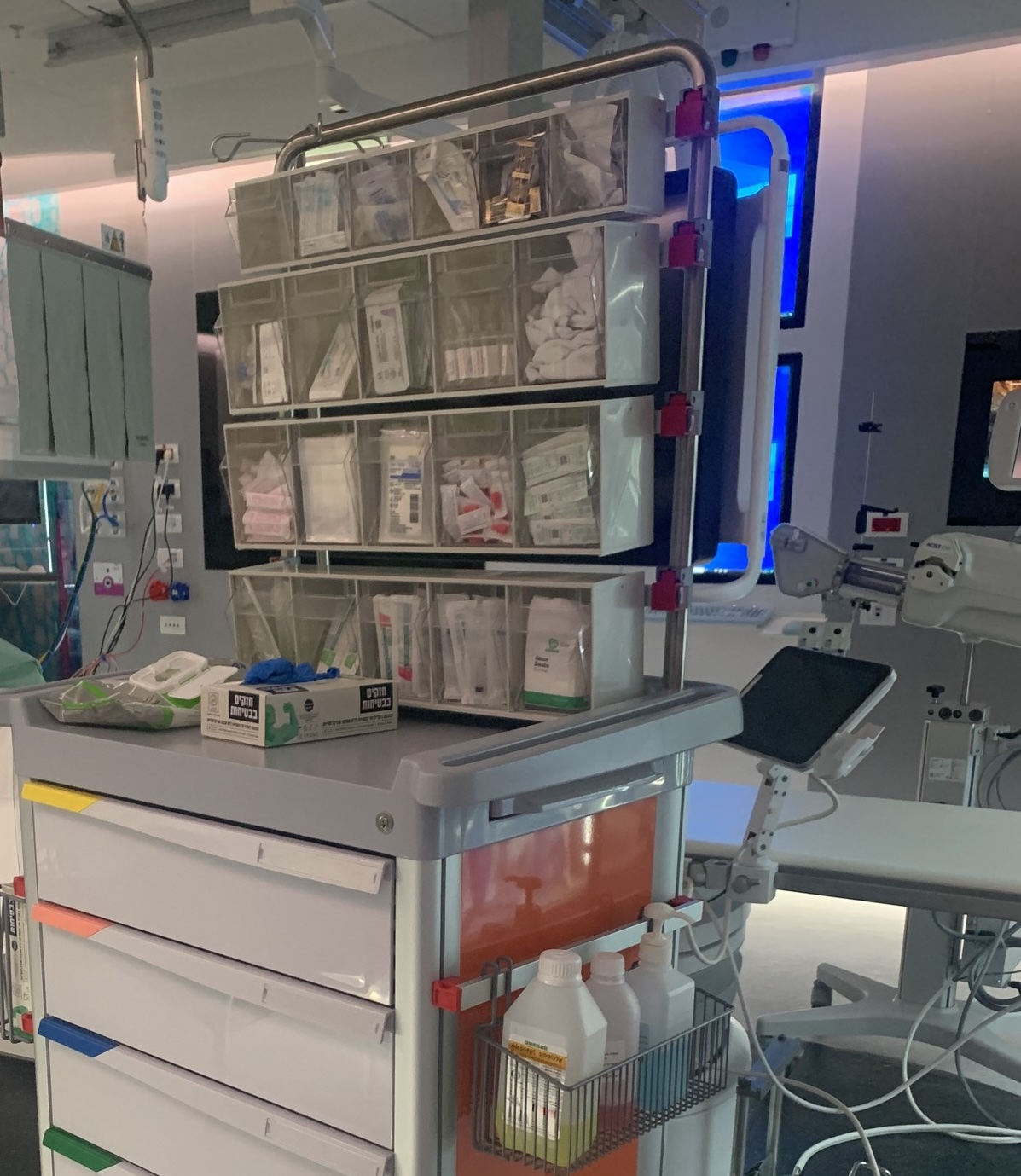
The fourth requirement is the same layout in every room. This is the starting point of both the 2023 study mentioned at the beginning and the Calgary study. The 2023 guidelines from the Association of Anaesthetists, the society of anesthesiologists in the UK and Ireland, ask for this too: work areas, and the way medications are stored in them, should be standardized. In Portugal, for example, anesthesiologists and operating room nurses published a national model for the anesthesia cart in 2018. It says which drawers the cart must have and what goes in each one, so that staff can use medications and manage the airway more safely and reduce waste.